
Introduction
If you’ve made progress with daytime potty learning, you might be wondering: What about naps? Should we still use diapers? Will staying dry during sleep come next?
Naptime potty learning isn’t just the next “level.” It’s its own kind of milestone — one that requires a shift from active teaching to quiet observation. It’s not about hitting a goal. It’s about noticing what your child’s body is ready for, and supporting that rhythm with patience and presence.
Why Naptime Potty Learning Matters
Naps aren’t just downtime — they’re a window into your child’s growing bladder awareness, sleep regulation, and nervous system maturity. Staying dry during naps shows that your child is beginning to hold pee during rest. That’s not something you train, but it is something you can support.
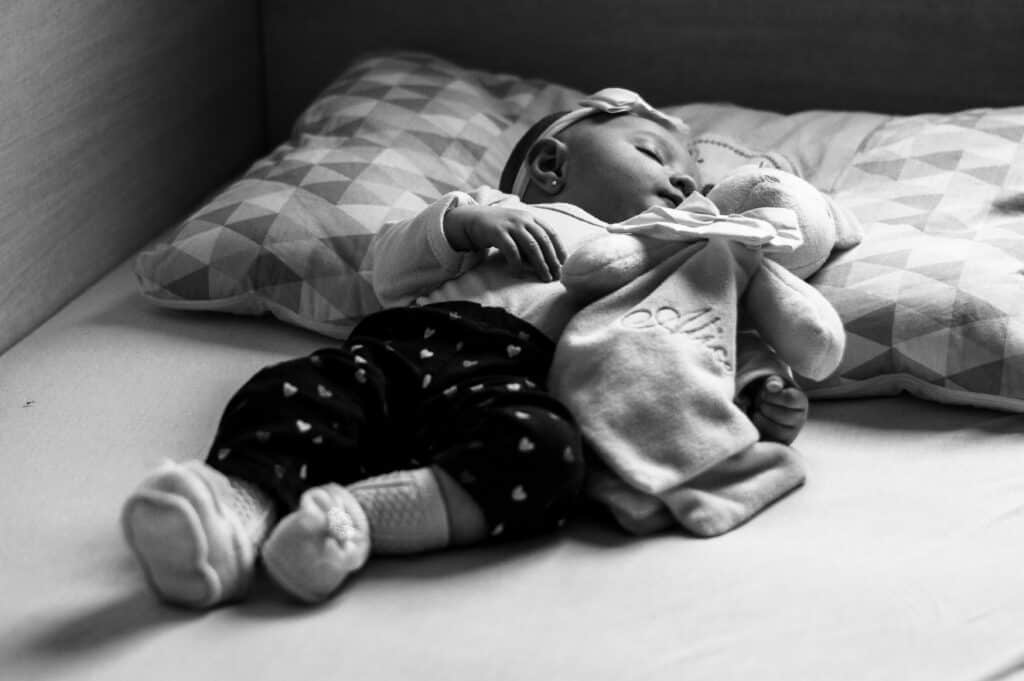
Naptime vs. Nighttime Potty Learning
These two often get lumped together, but they’re very different:
- Naptime dryness can appear soon after daytime potty learning begins.
- Nighttime dryness often takes much longer — and that’s completely normal.
Why the difference? Because nap sleep cycles are shorter, bladders are less full, and the body is still close to daytime rhythm. Nighttime dryness requires a different kind of biological maturity — one that unfolds slowly, and only when the body is ready.
How Potty Learning Affects Sleep
Learning a new body skill, like holding pee, can temporarily disrupt sleep. Your child’s brain is working hard, even during rest. They may wake early from naps, resist sleep, or even have more emotional releases before winding down.
This isn’t regression. It’s integration.
Support it with:
- A simple, predictable pre-nap routine
- A calm potty sit before sleep
- Neutral, non-reactive responses to accidents:
“Looks like pee came out while you were sleeping. Let’s get you dry and comfy.”
Key Readiness Factors for Naptime Learning
There’s no checklist that guarantees success, but here are some gentle signs your child may be ready to nap without a diaper:
- Has begun waking dry from naps several days in a row
- Pees soon after waking
- Can stay dry for long periods during the day
- Comfortable using the potty before nap
- Seems regulated and emotionally settled during the day
- Shows awareness of pee and poop needs
Think of these not as requirements, but as signals that readiness might be emerging.
Naptime Potty Learning: What Helps
When your child starts showing signs of potty learning readiness, here’s what can make the process smoother:
- Offer a potty sit before every nap — part of the routine, not a test
- Use protective bedding (waterproof mattress cover + layered sheets)
- Keep an extra set of PJs and bedding nearby
- Stay neutral about results — no praise for dryness, no disappointment for wetness
- Continue to use diapers or pull-ups if dryness isn’t yet consistent
Dry naps will come when your child’s body can stay dry and feel safe doing so. There’s no rush.

Balancing Outside Pressure with Readiness
Daycare policies. Preschool guidelines. Family opinions.
It’s common to feel pressure to ditch diapers entirely — even if your child isn’t quite there yet for naps. But it’s okay to pause and advocate for what your child needs. Partial independence is still independence.
If your child is dry and confident during the day but still napping in a diaper, that’s not failure — that’s development.
Transitioning from Daytime to Naptime Potty Learning
Building a Nap-Friendly Routine
Create a calm, consistent rhythm:
- Potty sit
- Story or quiet connection
- Nap
Keep it low-stress. The sit is not for performance — it’s part of settling the body.
Bed Preparation
- Use a waterproof mattress protector
- Layer two fitted sheets with a pad in between for quick changes
- Have dry clothes ready just in case
Accidents are feedback, not setbacks. Keep clean-up quiet and matter-of-fact.
Fluid Intake
Don’t cut off water completely — hydration matters. Just avoid loading your child with drinks right before nap. Offer water earlier in the routine, and always include a pre-nap potty sit.
Supporting Poop Rhythms Around Sleep
Some children hold poop until they’re still — often right before naps or bedtime. This isn’t avoidance. It’s biology catching up with a busy body.
Support natural poop rhythms by:
- Offering a potty sit about 20–30 minutes after lunch
- Leaving enough time before nap to allow a relaxed bathroom routine
- Staying calm if poop happens in a diaper or pull-up — especially during the transition out of daytime diapers
There’s no need to force a poop schedule. Just make space for it.
Nighttime Potty Learning Basics
Night dryness is not a training target. It’s a developmental event.
Use overnight diapers or pull-ups as long as your child needs them. Encourage a bedtime potty sit, but avoid waking them to pee. That creates stress, not progress.
Children will naturally wake dry when their bladder and brain can manage it — not because we teach them how.
When Potty Learning Affects Sleep
If your child suddenly resists naps, has more accidents, or seems unsettled during sleep, take a step back.
- Check for stress or pressure
- Pause diaper-free naps if needed
- Focus on routine, connection, and calm
Sleep challenges during potty learning are common — and usually temporary.
A Note on All-at-Once Methods
Some potty programs recommend removing diapers for both day and sleep at once. While this may work for some children, many aren’t ready to connect potty skills to sleep immediately — and that’s okay.
Removing all diapers before a child shows signs of bladder maturity during sleep often leads to confusion, stress, and extra accidents.
There’s nothing wrong with supporting daytime learning while keeping diapers for naps and nights. The two don’t have to be linked.
Tools and Gentle Supports
Here’s what helps most:
- Waterproof bedding
- Step stool and potty seat
- Favorite pre-nap book
- Simple potty phrase: “We pee before we rest so our body can relax.”
- Clean-up kit with wipes, backup clothes, and calm energy
The best tool? Your presence. Calm, consistent, and shame-free.
Conclusion
Naptime potty learning isn’t a task to complete — it’s a gentle phase to support.
It doesn’t need a deadline. It needs a rhythm.
Support your child’s growing awareness with soft routines, simple expectations, and quiet trust. Celebrate progress quietly, respond to accidents neutrally, and remember: dry naps are just one part of a much bigger journey toward independence.
FAQ
What if my child still wets at every nap?
Keep using diapers or pull-ups. This is a sign their body’s not ready yet — and that’s completely normal.
How will I know when it’s time to try diaper-free naps?
When your child regularly wakes up dry, pees right after waking, and shows body awareness during the day.
Should I wake them mid-nap to use the potty?
No. Naptime potty learning happens when the body is ready — not because we interrupt rest.
Is it okay to potty learn during the day but still use diapers for naps and nights?
Yes. This is often the most developmentally respectful path. Daytime and sleep dryness don’t have to come together.
My child used to wake dry, but now doesn’t. What happened?
Growth, stress, illness, or change in routine can affect sleep and potty rhythm. Return to supportive habits and try again later.
Citations
- Mayo Clinic Staff. “Potty Training: How to Get the Job Done.” Mayo Clinic, 2019. https://www.mayoclinic.org/healthy-lifestyle/infant-and-toddler-health/in-depth/potty-training/art-20045230.
- American Academy of Pediatrics, “The Right Age to Toilet Train,” HealthyChildren.org, May 24, 2022, https://www.healthychildren.org/English/ages-stages/toddler/toilet-training/Pages/The-Right-Age-to-Toilet-Train.aspx.
- American Academy of Pediatrics, “Emotional Issues and Potty Training Problems,” HealthyChildren.org, November 2, 2009, https://www.healthychildren.org/English/ages-stages/toddler/toilet-training/Pages/Emotional-Issues-and-Bathroom-Problems.aspx?_gl=1.
- American Academy of Pediatrics, “Regression,” HealthyChildren.org, accessed October 15, 2024, https://www.healthychildren.org/English/ages-stages/toddler/toilet-training/Pages/Regression.aspx.
- Stanford Medicine Children’s Health. “Encopresis.” www.stanfordchildrens.org. Accessed October 17, 2024. https://www.stanfordchildrens.org/en/topic/default?id=encopresis-90-P01992.
- American Academy of Pediatrics, “Positive Reinforcement through Rewards,” HealthyChildren.org, accessed October 21, 2024, https://www.healthychildren.org/English/family-life/family-dynamics/Pages/Positive-Reinforcement-Through-Rewards.aspx.
- Children’s Health. “When a Potty-Trained Child Has Accidents – Children’s Health.” Childrens.com, 2020. https://www.childrens.com/health-wellness/what-to-do-if-your-potty-trained-child-keeps-having-accidents.