
Before You Dive In
Wanting more control over what your baby eats is completely understandable, especially in a world where ingredient labels can feel like a foreign language. During formula shortages or when your baby isnâÂÂt tolerating whatâÂÂs on the shelf, itâÂÂs tempting to think: maybe I can just make my own.
But when it comes to infant formula, safety really does come first.
Homemade baby food? Great. Homemade formula? ThatâÂÂs where we draw the line.
Even with the best of intentions, DIY blends can fall short, missing critical nutrients or introducing contaminants that your babyâÂÂs body isnâÂÂt equipped to handle. The risk just isnâÂÂt worth it.
Fortunately, there are formulas out there that feel homemade in all the best ways: simple, thoughtfully sourced, and gentle on tiny tummies. The difference? These are made with medical-grade precision, so your baby gets the nourishment they need, safely.
At a Glance: Clean, Trusted Alternatives to Homemade Formula
| Category | Top Pick | Why Families Love It | Where to Buy |
|---|---|---|---|
| Clean Ingredients, Cow’s Milk | BabyâÂÂs Only Organic A2 Formula | Organic, A2 milk proteinâÂÂoften easier to digest | Amazon |
| European Simplicity | Holle Stage 1 Organic | Biodynamic milk, minimal ingredients | Importers |
| Gentle on Digestion | Kabrita Goat Milk Formula | Goat milk base, may ease reflux or constipation | Amazon |
BabyâÂÂs Only Organic A2 Formula
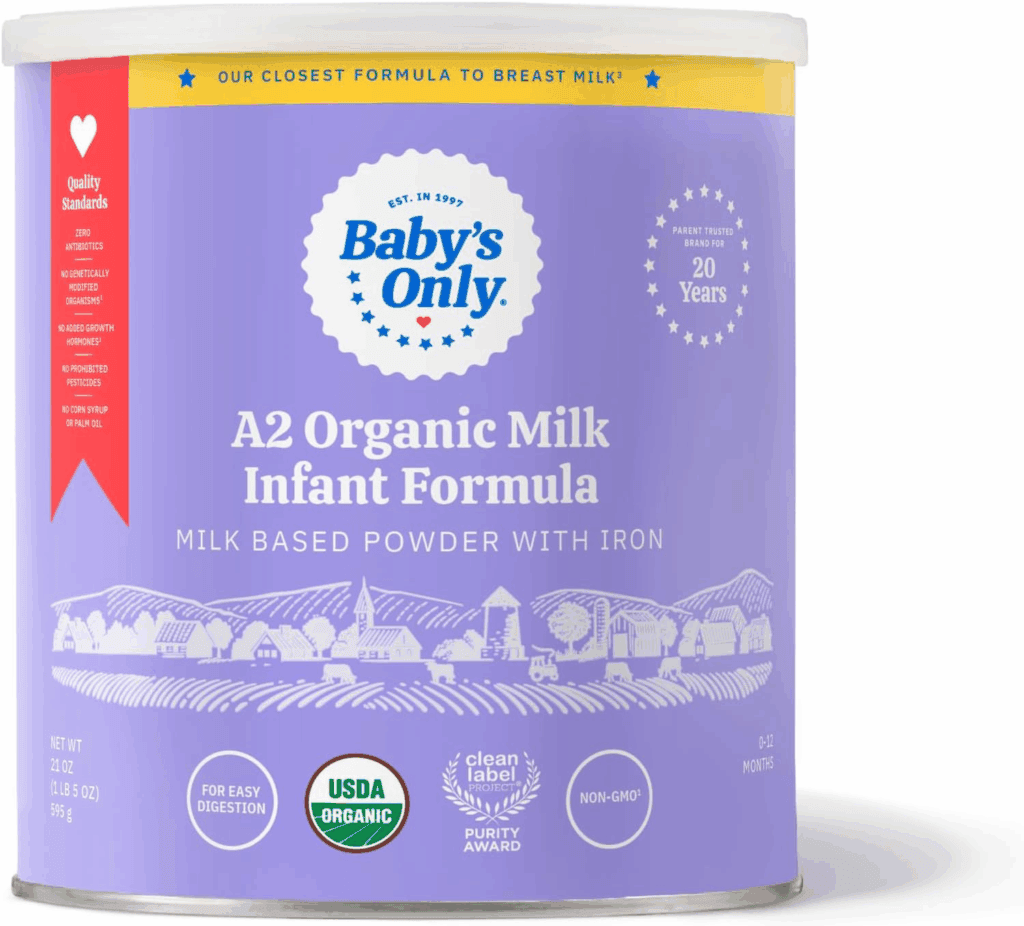
A safe, no-fuss option for parents who want âÂÂcleanâ without compromise
Why parents reach for it:
This formula shows up often when families say, âÂÂI want something as close to homemade as I can safely get.â It uses organic A2 milkâÂÂa protein structure that may be easier for some babies to digestâÂÂand skips common additives that parents prefer to avoid.
WhatâÂÂs inside:
- Organic A2 milk and lactose (the main carb in breastmilk)
- Hexane-free DHA/ARA
- An organic fat blend with no palm oil
- Iron and nucleotides for healthy development
What families notice:
Fewer tummy issues. Less spit-up. And for many, softer poops and better sleep. Some parents also see improvements in skin irritation or gas after switching.
Why it works:
A2 milk contains a different beta-casein protein than standard cowâÂÂs milk. Some babies seem to digest it more comfortably, especially if theyâÂÂve been struggling with fussiness or gassiness (Vieira et al., 2021). The clean profileâÂÂfree from corn syrup and synthetic preservativesâÂÂis what seals the deal.
Holle Stage 1 Organic Infant Milk
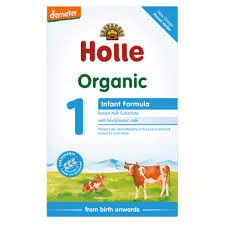
Minimal processing. Strict standards. No fuss.
Why parents reach for it:
Holle is often seen as the European answer to families craving a simple, back-to-basics formula. ItâÂÂs made with milk from cows raised biodynamically (think: beyond organic), and it avoids the additives many U.S. formulas rely on.
WhatâÂÂs inside:
- Demeter-certified organic cowâÂÂs milk
- Organic lactose, fish oil-derived DHA, vegetable oils
- No glucose syrup, no soy, no corn syrup
What families notice:
A fresh, creamy smell. Poops that look more like what you’d expect from a breastfed baby. Less gas. Fewer rashes. Parents often feel more at ease knowing the standards behind the label are exceptionally strict.
Why it works:
EU regulations for infant formula are some of the most rigorous in the world. Holle not only meets themâÂÂit exceeds them by using biodynamic milk. But itâÂÂs worth noting: this formula can be harder to source, and thatâÂÂs okay. There are excellent options available domestically too.
Kabrita Goat Milk Infant Formula
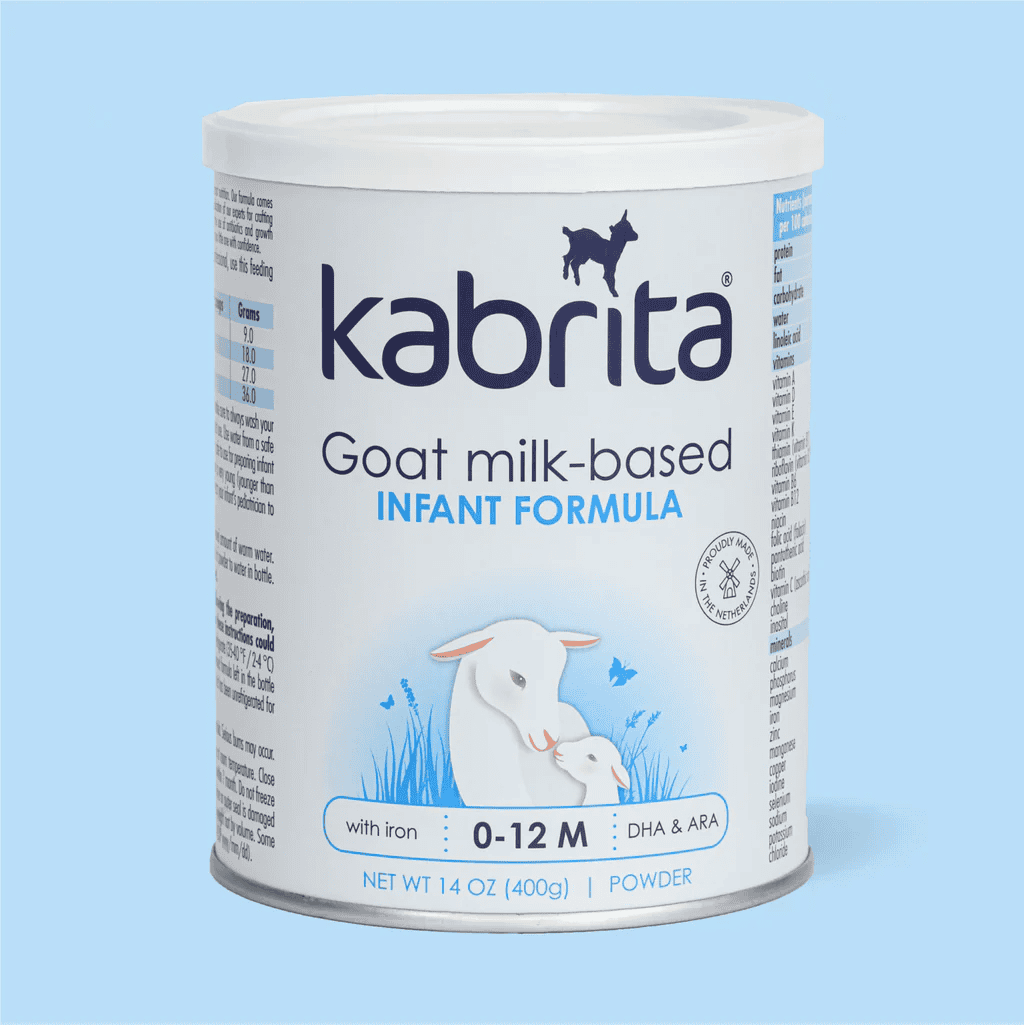
A cowâÂÂs milk alternative that doesnâÂÂt cut corners
Why parents reach for it:
When cowâÂÂs milk formulas donâÂÂt sit wellâÂÂbut thereâÂÂs no confirmed allergyâÂÂgoat milk can be a great bridge. Kabrita offers a fully fortified goat milk-based formula thatâÂÂs easy on digestion and nutritionally complete.
WhatâÂÂs inside:
- Non-GMO Dutch goatâÂÂs milk and added lactose
- Prebiotics, DHA/ARA, nucleotides
- No corn syrup or maltodextrin
What families notice:
Babies who were spitting up constantly often donâÂÂt. Poops get softer. Sleep gets better. And many parents say the flavor is more tolerableâÂÂimportant for babies transitioning from breastmilk.
Why it works:
Goat milk forms a softer curd in the stomach, which may reduce reflux and help with digestion (McCarthy & Yale, 2023). Kabrita makes sure that gentleness doesnâÂÂt come at the expense of essential nutrientsâÂÂwhich DIY goat milk mixes often miss.
Final Thoughts: Homemade IsnâÂÂt CleanerâÂÂItâÂÂs Just Riskier
ThereâÂÂs a powerful instinct in wanting to provide the absolute best for your baby. But homemade infant formula just isnâÂÂt a safe optionâÂÂnot because youâÂÂre doing anything wrong, but because the stakes are simply too high.
You need to find the best formula for your baby, not try to make one yourself. Babies need specific levels of protein, fat, vitamins, and minerals to grow their brains, bodies, and immune systems. Getting those levels right, down to the microgram, is not something that can be done in a home kitchenâÂÂeven with the best intentions.
Instead of risking nutritional gaps or contamination, choose a formula that aligns with your values and gives your baby the balanced start they need.
Every baby is different, and itâÂÂs okay if it takes a little trial and error. What matters most is choosing something that feels good, works well, and takes the guesswork out of feeding.
Because peace of mind? ThatâÂÂs part of good nutrition too.
References
- Vieira, M. et al. (2021). Recipe for Disaster: Homemade Formula Leading to Severe Complications in 2 Infants. Pediatrics. https://doi.org/10.1542/peds.2021-050947
- DiMaggio, D. et al. (2022). Nutritional and Safety Concerns of Infant Feeding Trends. JPGN. https://doi.org/10.1097/MPG.0000000000003401
- McCarthy, J. & Yale, S. (2023). Kwashiorkor in an 8-Month-Old Infant Due to Homemade Formula Use. WMJ.
- Davis, S. et al. (2020). Homemade infant formula recipes may contain harmful ingredients. Public Health Nutrition. https://doi.org/10.1017/S136898001900421X